Steps to Secure the Best Home Loan for Your Dream House
May 22, 2026
New Car vs Used Car Loans: Which Is the Better Option?
Buying a car is an important financial decision, and choosing the right loan can make a major difference in your long-term expenses. Whether you are planning to buy a brand-new vehicle or a pre-owned car, understanding the differences between new car loans and used car loans is essential. Both options come with their own advantages, limitations, and financial implications.
Before making a decision, borrowers should evaluate their budget, lifestyle needs, repayment capacity, and long-term ownership goals. A well-informed choice can help you save money while ensuring a smooth borrowing experience.
Understanding New Car Loans
A new car loan is designed specifically for purchasing a brand-new vehicle directly from a dealership or manufacturer. Since new cars generally have higher market value and lower risk of breakdowns, lenders often provide attractive financing terms.
Most financial institutions offer competitive interest rates for new car loans because the vehicle has a higher resale value and longer expected lifespan. Borrowers may also benefit from flexible repayment tenures and higher loan amounts.
Advantages of New Car Loans
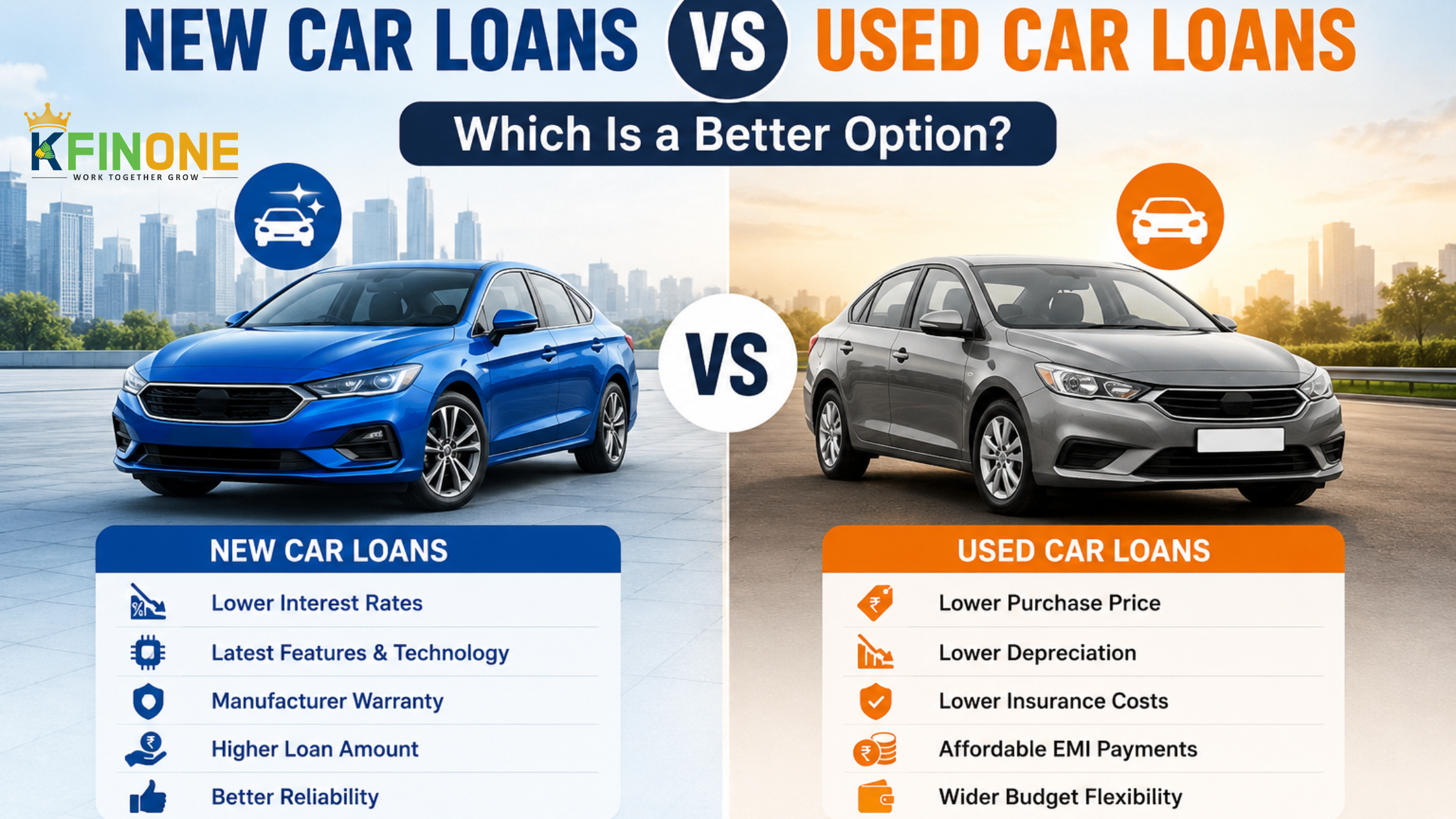
Lower Interest Rates
New car loans usually come with lower interest rates compared to used car loans. This helps reduce the total repayment amount over time.
Better Vehicle Reliability
A new car generally requires fewer repairs and maintenance expenses during the initial years of ownership.
Latest Features and Technology
New vehicles come equipped with updated safety systems, fuel-efficient engines, and advanced technology features.
Manufacturer Warranty
Most new cars include warranty coverage, offering protection against unexpected repair costs.
Higher Loan Availability
Lenders are often more comfortable financing a larger percentage of the vehicle’s value for new cars.
Understanding Used Car Loans
Used car loans are intended for purchasing pre-owned vehicles. These loans are ideal for cost-conscious buyers who want to own a vehicle at a more affordable price compared to purchasing a brand-new car.
Although used car loans may carry slightly higher interest rates, they offer affordability and lower depreciation losses.
Advantages of Used Car Loans
Lower Purchase Price
Pre-owned cars are typically more affordable than brand-new vehicles, allowing more buyers to own a car within their budget.
Reduced Depreciation
Brand-new cars typically experience significant depreciation within the first few years of ownership. Pre-owned vehicles have already experienced the highest drop in value during their earlier years of use.
Lower Insurance Costs
Insurance premiums for used vehicles are often lower, helping reduce overall ownership costs.
Affordable EMI Payments
Because the loan amount is smaller, monthly installment payments are usually easier to manage.
Wider Budget Flexibility
Borrowers can explore better car models or premium brands within the same budget when choosing a used car.
Key Differences Between New and Used Car Loans
Feature New Car Loan Used Car Loan
Interest Rate Usually lower Usually higher
Loan Amount Higher financing available Limited financing
Repayment Tenure Longer tenure options Shorter tenure
Vehicle Cost Higher purchase cost More affordable
Maintenance Lower initially May be higher
Depreciation Faster depreciation Slower depreciation
Insurance Premium Higher Lower
Factors to Consider Before Choosing
Budget and Financial Stability
Your financial situation plays a major role in deciding between a new and used car loan. If you have stable income and can comfortably manage higher EMIs, a new car may be suitable. However, if affordability is a priority, a used car loan can help reduce financial pressure.
Loan Interest Rates
Comparing interest rates from multiple lenders is important. Even a small difference in interest rates can significantly affect the total repayment amount over the loan tenure.
Maintenance Costs
While used cars may save money initially, older vehicles can require frequent maintenance and repairs. Buyers should factor these potential costs into their overall budget.
Resale Value
A new car’s market value tends to decline rapidly during its initial years on the road. Used cars generally experience slower depreciation, which may provide better resale value later.
Vehicle Usage
If you plan to use the car extensively for daily commuting or long-distance travel, a new car may offer greater reliability and fuel efficiency.
When a New Car Loan Is a Better Choice
A new car loan may be ideal if:
1.You prefer the latest safety and technology features
2.You want lower maintenance expenses
3.You intend to use the vehicle for a long period of time.
4.You qualify for low-interest financing
5.You need a reliable vehicle for regular usage
When a Used Car Loan Is a Better Choice
A used car loan may be suitable if:
1.You are working within a limited budget
2.You want lower monthly installments
3.You are buying your first car
4.You want to avoid rapid depreciation losses
5.You need a car for occasional or short-term use
Tips for Choosing the Right Car Loan
Compare Multiple Lenders
Always review loan offers from banks and financial institutions before making a decision.
Check Loan Eligibility
Understand the lender’s eligibility criteria, including income requirements and credit score expectations.
Review Hidden Charges
Look for processing fees, foreclosure charges, and other additional costs associated with the loan.
Calculate Total Ownership Cost
Consider fuel expenses, maintenance, insurance, and registration charges along with the EMI amount.
Inspect Used Vehicles Carefully
If buying a used car, verify the vehicle history, ownership records, and service condition before finalizing the purchase.
Conclusion
Both new car loans and used car loans offer unique advantages depending on your financial goals and personal preferences. A new car loan provides reliability, advanced features, and lower interest rates, while a used car loan offers affordability and reduced depreciation.
The better option depends on your budget, repayment capability, and long-term needs. By carefully comparing loan terms and evaluating total ownership costs, borrowers can make a smart and financially beneficial decision.




Get the latest financial insights delivered to your inbox.