Steps to Secure the Best Home Loan for Your Dream House
May 22, 2026
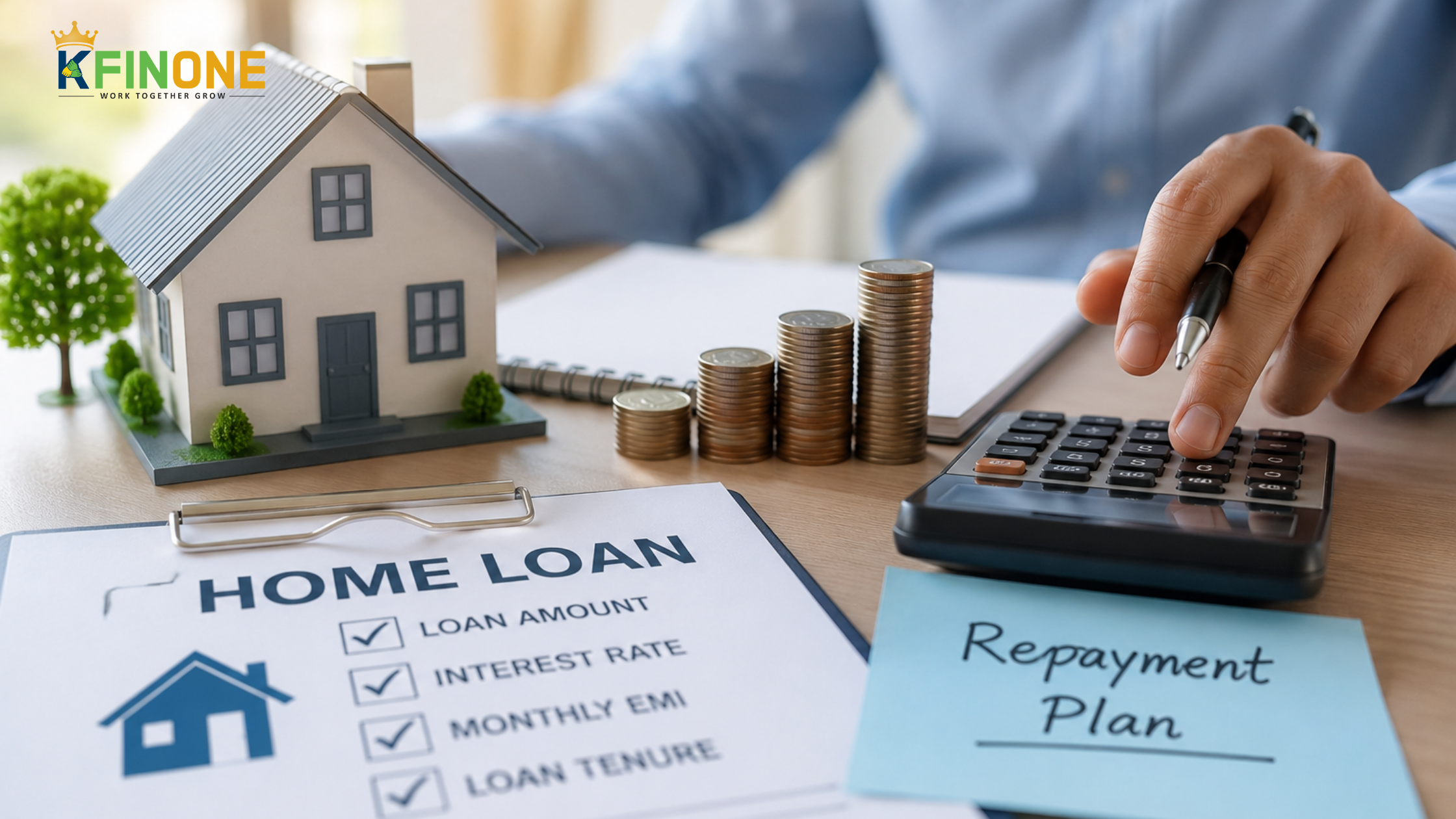
Purchasing a home is considered one of the most important financial commitments in an individual’s lifetime. While owning a house brings stability and security, managing the repayment of a home loan requires proper financial planning and discipline. A well-structured repayment plan can help borrowers reduce financial stress, maintain a healthy credit profile, and achieve long-term financial goals comfortably.
Home loans usually involve long repayment periods ranging from several years to decades. Without careful planning, borrowers may face difficulties in balancing monthly expenses, savings, and loan obligations. Creating an effective repayment strategy allows individuals to manage their finances wisely while reducing the overall burden of debt.
Today, many financial institutions provide flexible repayment options, digital payment methods, and customized loan solutions that help customers repay loans more efficiently. Borrowers who understand repayment planning can make better decisions and avoid unnecessary financial pressure in the future.
Home loan repayment refers to the process of paying back the borrowed amount along with interest through monthly installments known as EMIs (Equated Monthly Installments). Each EMI consists of two components:
In the initial years of repayment, a larger portion of the EMI goes toward interest payments. Gradually, the principal repayment portion increases over time. Understanding this structure helps borrowers plan their finances more effectively.
The repayment tenure and interest rate directly impact the EMI amount. Longer tenures generally result in lower monthly payments but increase the total interest paid over the life of the loan. Shorter tenures may increase EMIs but help borrowers save significantly on interest costs.
A proper repayment plan is essential because it provides financial stability and helps borrowers avoid defaults or delayed payments. Planning repayments in advance also improves money management and ensures that borrowers can meet other financial responsibilities comfortably.
A strong repayment strategy offers several benefits:
Regular EMI planning encourages disciplined spending habits and helps individuals manage their monthly budgets efficiently.
When borrowers allocate funds properly for loan repayment, they are less likely to face sudden financial pressure or payment difficulties.
Timely repayment of home loan EMIs positively impacts credit scores. A good credit history increases the chances of obtaining future loans and better interest rates.
Strategic repayment methods such as prepayments or shorter loan tenures can reduce the total interest paid over time.
Before creating a repayment plan, it is important to understand your monthly income, expenses, savings, and financial obligations. This helps determine how much you can comfortably allocate toward EMI payments without affecting daily living expenses.
Prepare a monthly budget that includes:
A realistic budget helps borrowers avoid overcommitting financially.



Get the latest financial insights delivered to your inbox.