Steps to Secure the Best Home Loan for Your Dream House
May 22, 2026

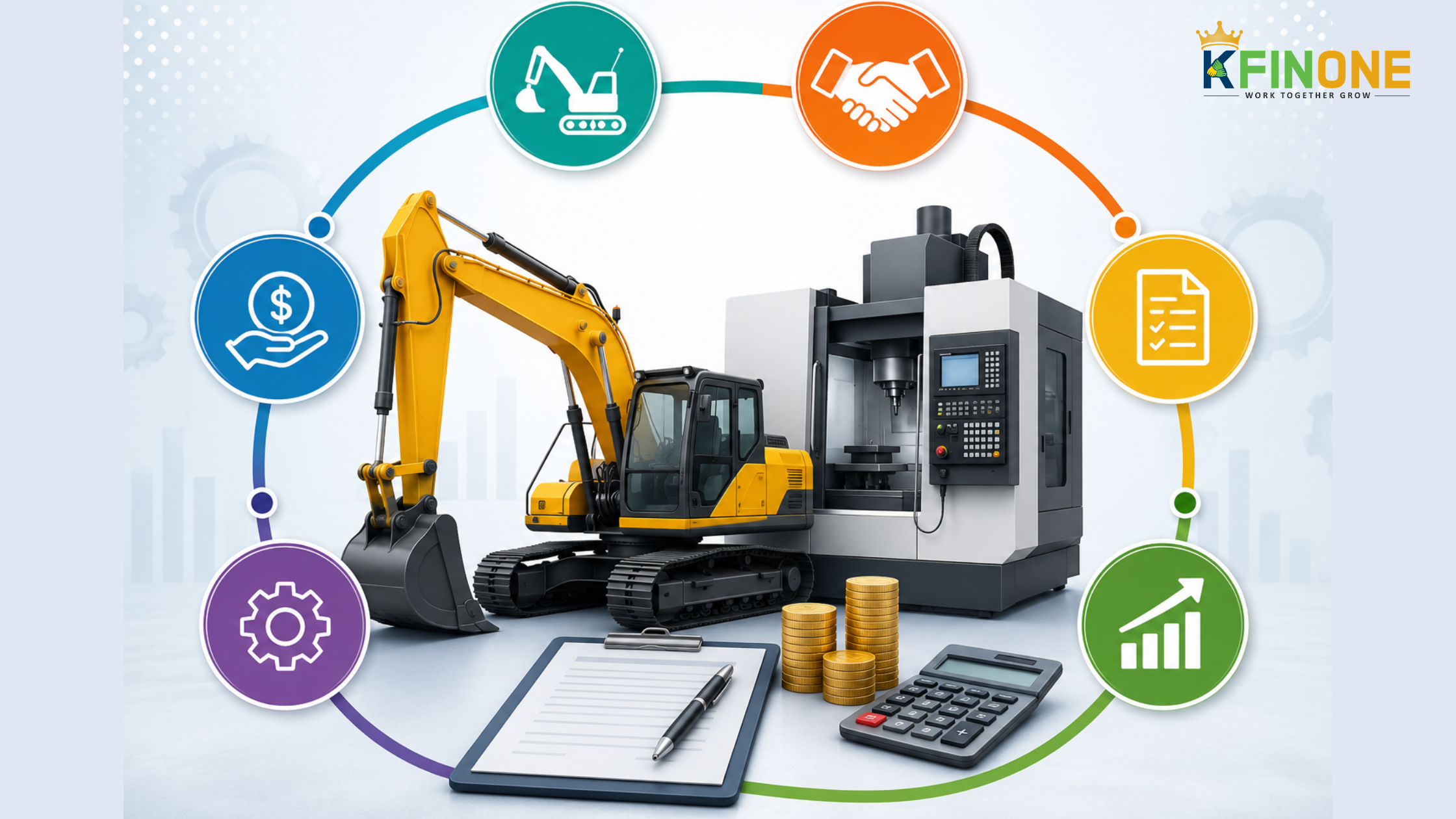
In today’s competitive market, businesses need consistent financial support to expand operations, purchase equipment, hire skilled employees, and manage working capital. A business loan is one of the most effective financial solutions that helps entrepreneurs achieve these goals without disrupting daily operations. Whether you are running a startup, a small enterprise, or a growing company, the right business financing can provide the stability and confidence needed for long-term growth.
A business loan is a financial product offered by banks and financial institutions to help businesses meet various operational and expansion needs. The borrowed amount is repaid over a fixed tenure along with applicable interest. These loans are designed for businesses of all sizes and can be used for multiple purposes such as inventory purchase, office expansion, machinery upgrades, marketing, or managing cash flow.
Business loans are available in secured and unsecured forms depending on the lender’s policies and the borrower’s eligibility.
Every business experiences stages where additional funds become essential. Growing demand, seasonal expenses, infrastructure upgrades, or launching new products often require financial backing. Instead of using personal savings or limiting operations, businesses can use loans to maintain stability and continue expanding efficiently.
Financial support allows companies to:
With proper planning, business financing can become a strategic tool for increasing profitability and market reach.
Term loans provide a fixed amount that is repaid over a specific period through monthly installments. These loans are commonly used for expansion, infrastructure development, or major investments.
Working capital loans help businesses manage daily operational expenses such as salaries, rent, utility bills, and inventory purchases.
Businesses can use equipment loans to purchase machinery, vehicles, or specialized tools required for operations without affecting working capital.
Micro, Small, and Medium Enterprises can access special financing options designed to support small business growth with flexible repayment terms.
A line of credit allows businesses to withdraw funds as needed within a pre-approved limit and pay interest only on the utilized amount.
Business loans provide immediate financial assistance, helping companies address urgent requirements or investment opportunities without delays.
Companies can invest in new projects, infrastructure, and technology to improve productivity and increase revenue potential.
Many lenders offer customized repayment schedules based on the business’s income and financial capability.
Business financing helps maintain smooth operations during periods of fluctuating income or seasonal demand.
Timely repayment of loans helps businesses establish a strong credit profile, improving eligibility for future financing.
Lenders evaluate several factors before approving a business loan, including:
Maintaining proper financial records and a healthy repayment history can improve approval chances significantly.
Selecting the right financing option is important for long-term financial health. Businesses should compare multiple lenders and evaluate:
Borrowers should also calculate repayment affordability before applying for a loan.
Business financing not only supports individual enterprises but also contributes to overall economic development. Loans help create employment opportunities, encourage innovation, and strengthen industries across sectors. Small and medium-sized businesses especially benefit from accessible financing solutions that enable sustainable growth and market competitiveness.
Business loans have become an essential financial tool for companies aiming to grow, modernize, and stay competitive in today’s fast-changing economy. From managing daily expenses to funding large-scale expansion projects, the right loan solution can help businesses achieve their goals with greater confidence. By understanding different loan options and choosing suitable repayment plans, entrepreneurs can use financing strategically to build stronger and more successful enterprises.



Get the latest financial insights delivered to your inbox.