Steps to Secure the Best Home Loan for Your Dream House
May 22, 2026
Understanding the Shortest and Longest Repayment Periods for Personal Loans
Personal loans have become one of the most preferred financing options for handling medical emergencies, weddings, travel plans, education expenses, home renovations, and debt consolidation. Before applying for a personal loan, one of the most important factors borrowers should understand is the loan tenure. The repayment tenure directly impacts your monthly EMI, total interest payable, and overall financial planning.
What Is Personal Loan Tenure?
Personal loan tenure refers to the time period given by the lender to repay the borrowed amount along with interest. It usually begins from the date the loan is disbursed and continues until the entire amount is cleared. Depending on the lender, borrower profile, and loan amount, the repayment period can vary significantly.
Choosing the right tenure is important because it affects both affordability and long-term financial stability.
Minimum Tenure for Personal Loans
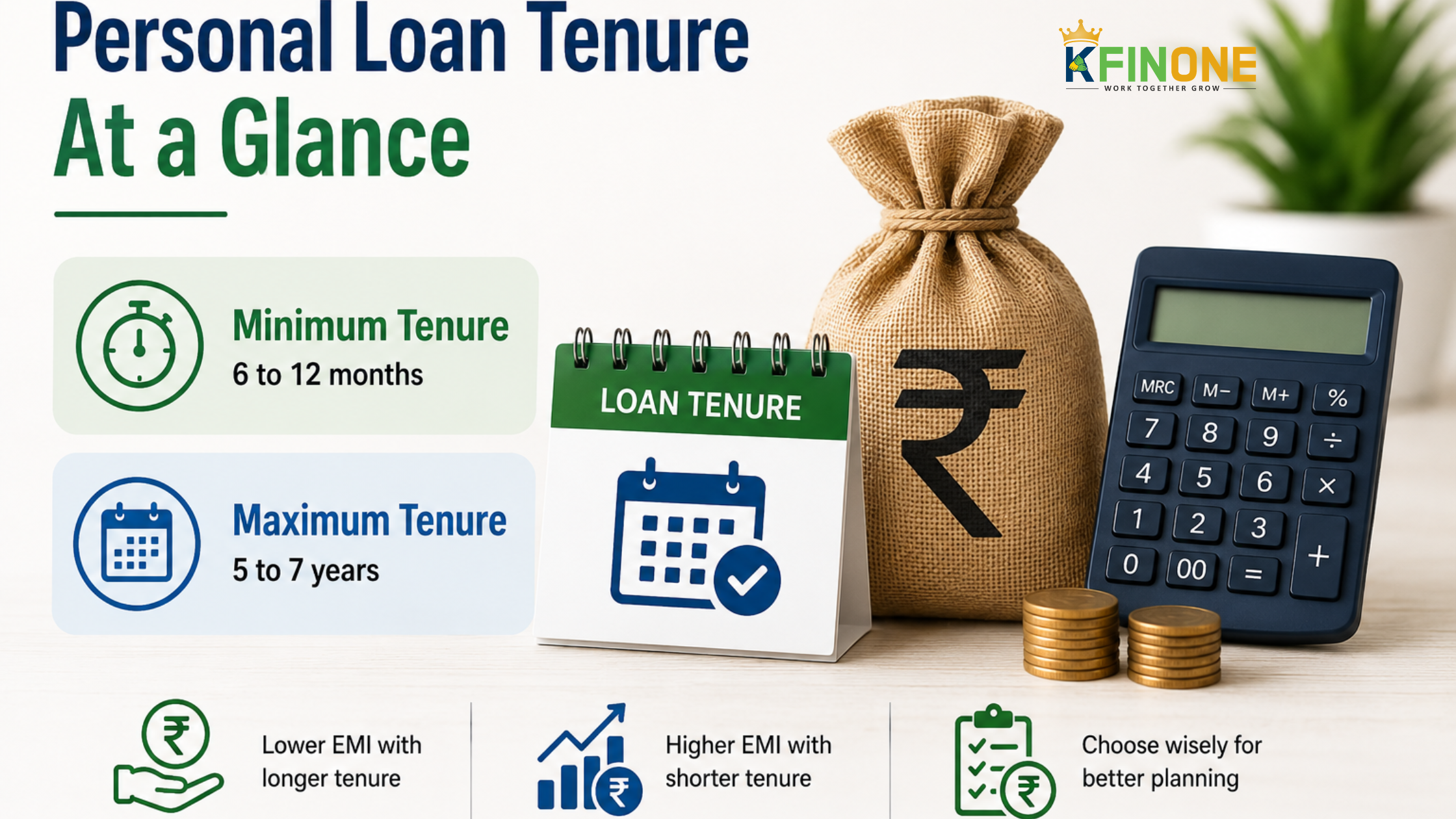
The minimum repayment period for personal loans generally starts from 6 months and may extend up to 12 months in some financial institutions. Short-term loans are usually preferred by borrowers who need smaller amounts and want to repay quickly without carrying debt for a long time.
Benefits of Short-Term Personal Loans
Faster loan closure
Lower overall interest cost
Better debt management
Improved credit discipline
However, shorter tenures also mean higher EMIs because the repayment amount is spread across fewer months. Borrowers should ensure they have stable income and repayment capacity before selecting a shorter duration.
Maximum Tenure for Personal Loans
The maximum tenure for personal loans generally ranges between 5 years and 7 years, depending on the lender’s policies and the borrower’s eligibility. Some banks and NBFCs may offer extended repayment periods for salaried professionals with strong credit profiles.
Longer repayment periods help reduce monthly EMI burdens, making loans more affordable for individuals managing multiple financial responsibilities.
Advantages of Longer Loan Tenures
Lower monthly EMI payments
Easier budget management
Improved financial flexibility
Suitable for higher loan amounts
Although longer tenures reduce EMI pressure, they also increase the total interest paid over the life of the loan. Borrowers should compare total repayment costs before finalizing the loan duration.
Factors That Influence Personal Loan Tenure
Several factors determine the repayment period offered by lenders:
1. Income Stability
Applicants with stable and higher incomes often qualify for flexible repayment options.
2. Credit Score
A good credit score and repayment record can help borrowers qualify for longer repayment periods and lower interest charges.
3. Loan Amount
Larger loan amounts are usually provided with extended repayment periods to make EMIs more manageable.
4. Age of the Borrower
The borrower’s age and remaining working years can affect the maximum repayment period.
5. Lender Policies
Each bank or financial institution has its own rules regarding minimum and maximum loan tenure.
How to Choose the Right Loan Tenure
Selecting the ideal repayment period depends on your financial goals and monthly income. Here are some practical tips:
Choose a shorter tenure if you can comfortably manage higher EMIs.
Opt for a longer tenure if you need lower monthly payments.
Compare total interest costs before making a decision.
Avoid stretching the tenure unnecessarily.
Use EMI calculators to understand repayment obligations.
Balancing EMI affordability and overall interest expense is the key to smart borrowing.
Importance of Loan Tenure in Financial Planning
Loan repayment duration has a significant impact on managing personal finances effectively. An unsuitable repayment period can create unnecessary financial pressure or increase long-term debt obligations. Borrowers should evaluate their income, future expenses, savings goals, and emergency funds before choosing a repayment schedule.
Responsible borrowing and timely repayment can also improve your credit score and increase eligibility for future loans.
Final Thoughts
Understanding the minimum and maximum tenure for personal loans helps borrowers make informed financial decisions. Shorter repayment periods reduce total interest costs, while longer tenures offer EMI flexibility and better cash flow management. The ideal choice depends on your repayment capacity, financial priorities, and long-term goals.
Before applying for a personal loan, compare lenders, evaluate EMI affordability, and choose a repayment tenure that aligns with your financial situation.



Get the latest financial insights delivered to your inbox.